|
| |
| |
| | | |
| | |
Hello Lisa.
Welcome back to another edition of THE PENCIL CASE! Each issue invites a fresh way of thinking about garden design and graphics. This week, we’re talking about the ELEMENTS OF PLANTING DESIGN: the lovely trio of form, texture, and color that provide the aesthetic framework for arranging plants in your garden.
⚘
Before we get into it, a quick heads-up on a few things happening right now related to this topic:
The Collective Bootcamp: The Elements of Planting Design is now open for registration.
The Garden Design Collective, our monthly membership, is also open for enrollment if you’d like to go deeper with ongoing support.
And why not have a third bonus…our Structure + Soul Masterclass is also available. Whew!
More on all three towards the end of this newsletter.
Let’s jump in. ♥︎ |
| | | |
| | | |
| | | |
| | |
| THE THREE ELEMENTS THAT HOLD A PLANTING TOGETHER
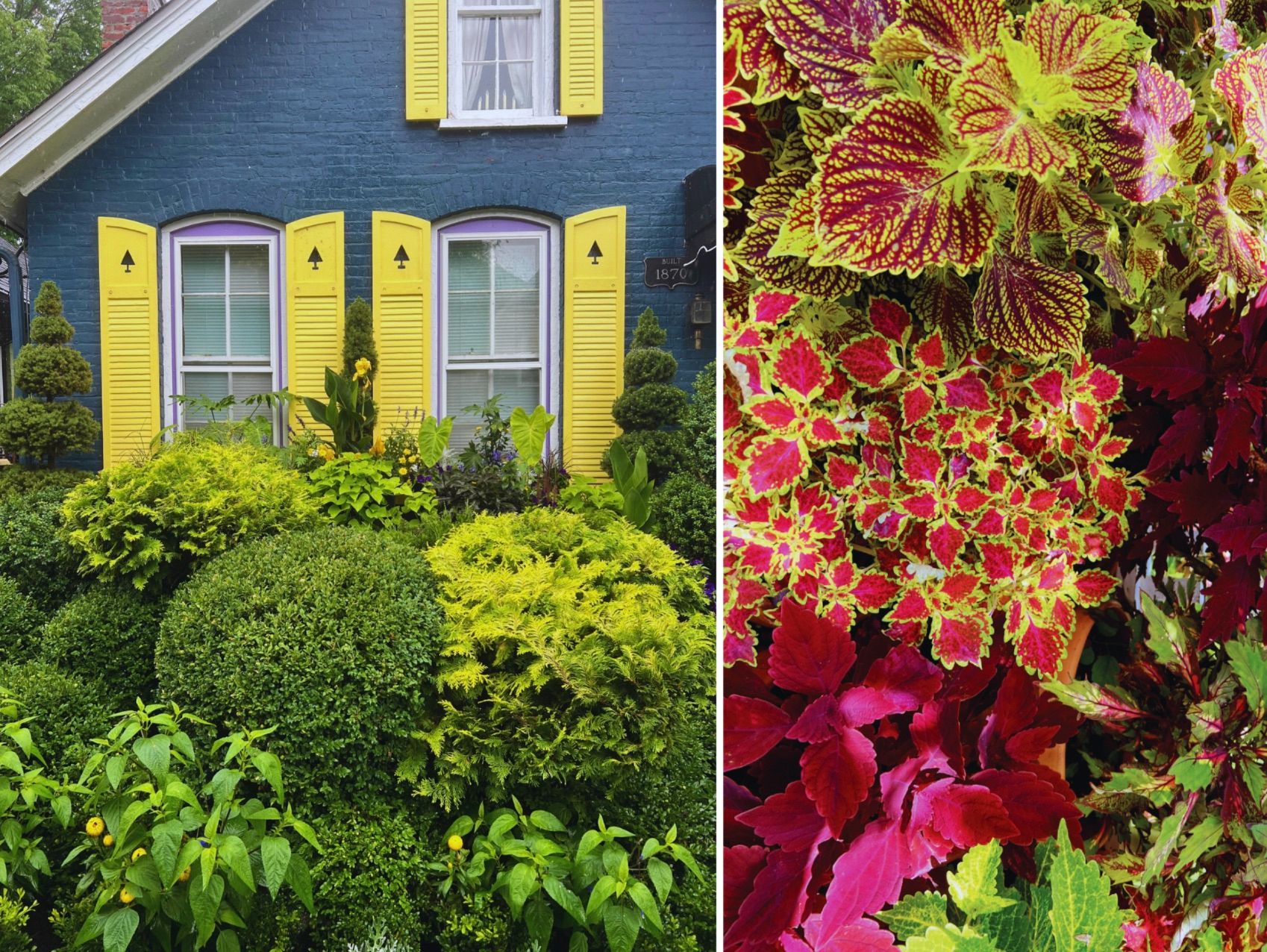
When we choose plants, there’s a lot to consider, such as environment, ecology, and function. Then there’s aesthetics, which is where the elements of planting design come in, including form, texture, and color.
FORM is the overall structure,
TEXTURE is the visual quality of the foliage that creates contrast, and
COLOR is the dynamic movement and emphasis that shifts through the seasons. |
| | | |
| | | |
| | | |
| | |
| FORM: THE ARCHITECTURE
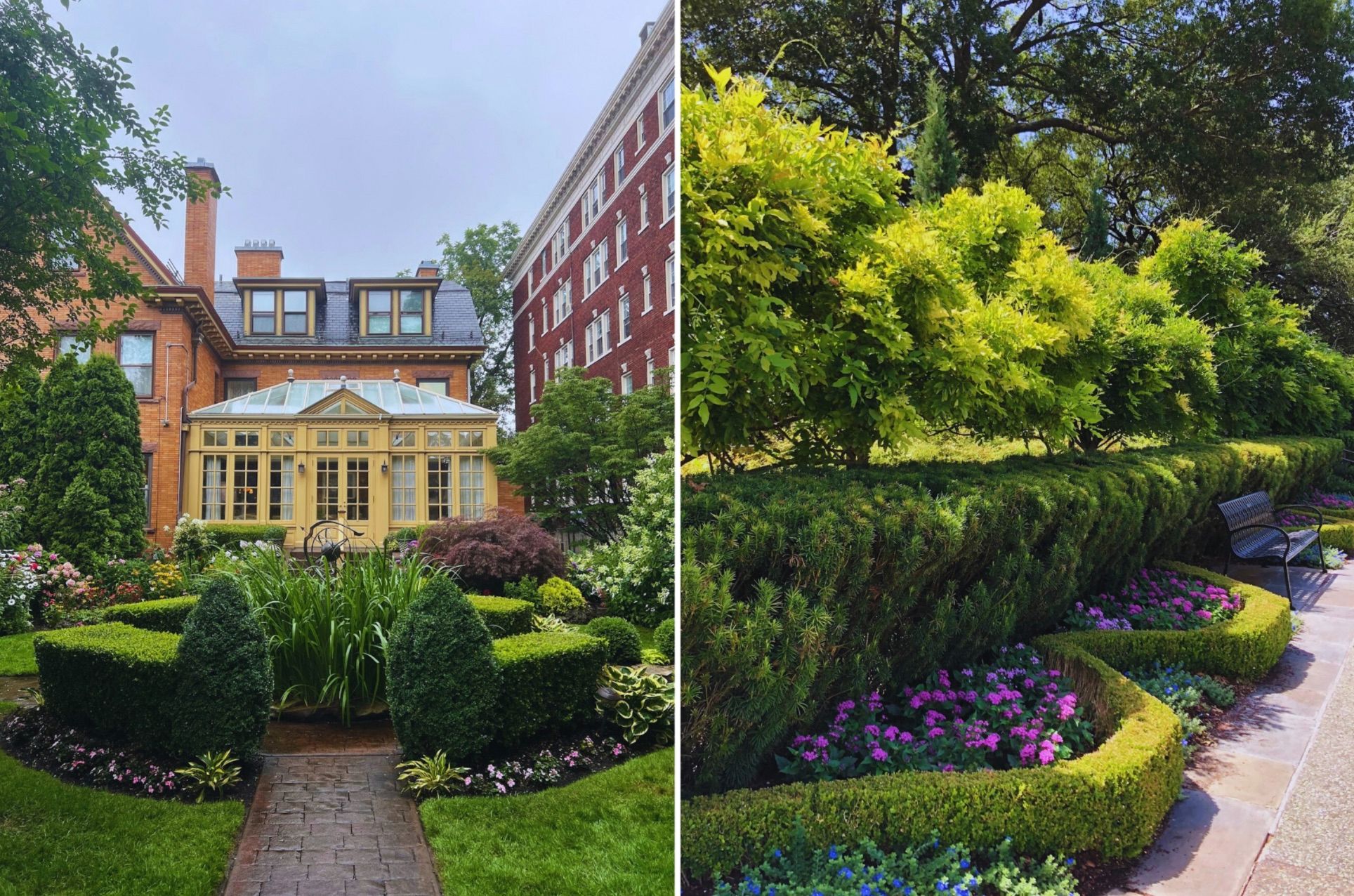
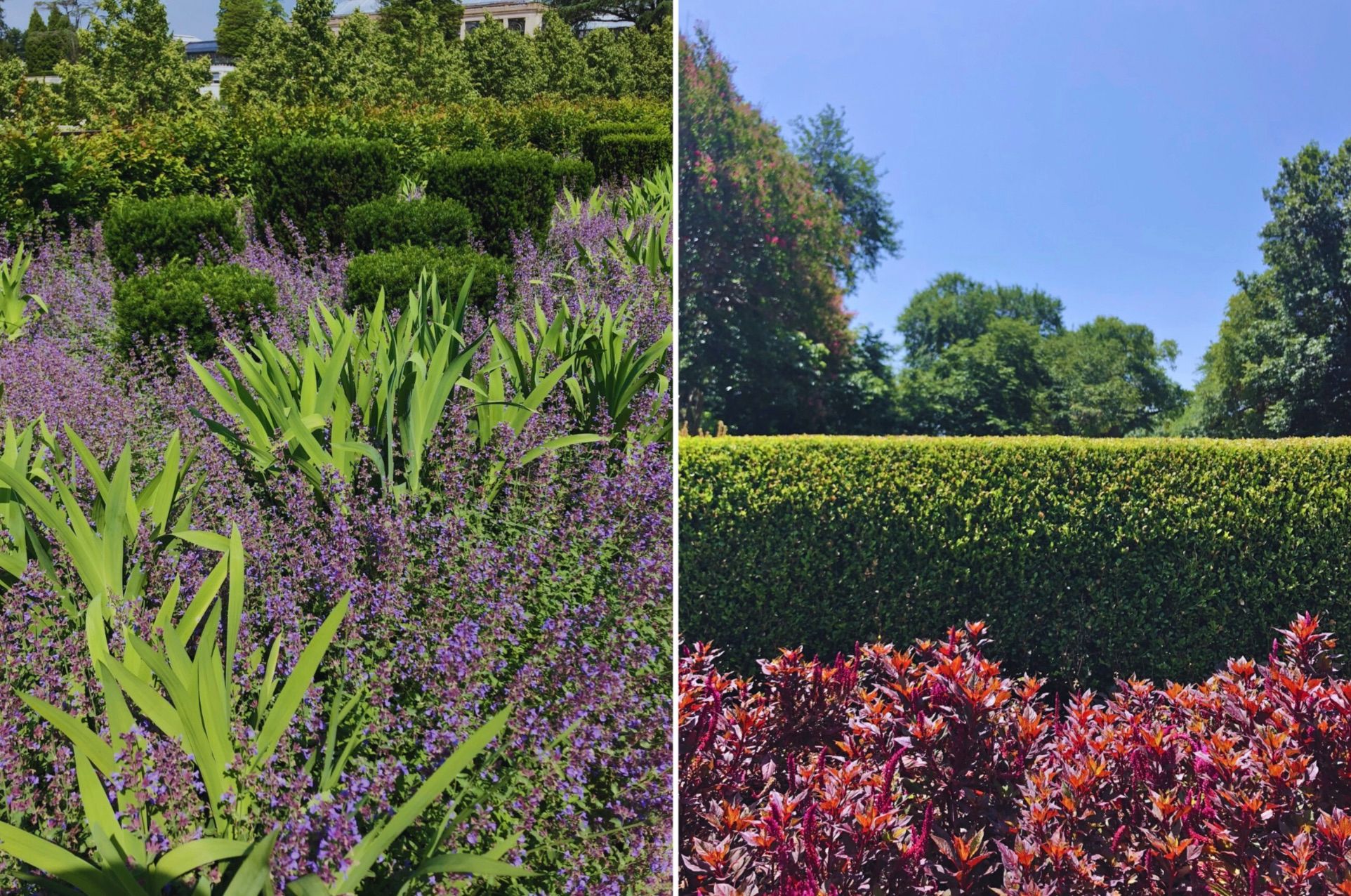
Form is the overall shape of a plant: its height, width, and depth. It can be round, upright, arching, spreading, pyramidal, vase-shaped, weeping, and more. As you learn plants, make sure you also take note of their form. If color disappeared tomorrow, a planting with strong, well-composed forms would still hold together. Form is the most consistent of the three elements and gives your planting structure and “bones” through the year. Here is a past newsletter on form if you'd like to explore this more.
⚘
TEXTURE: VISUAL CONTRAST
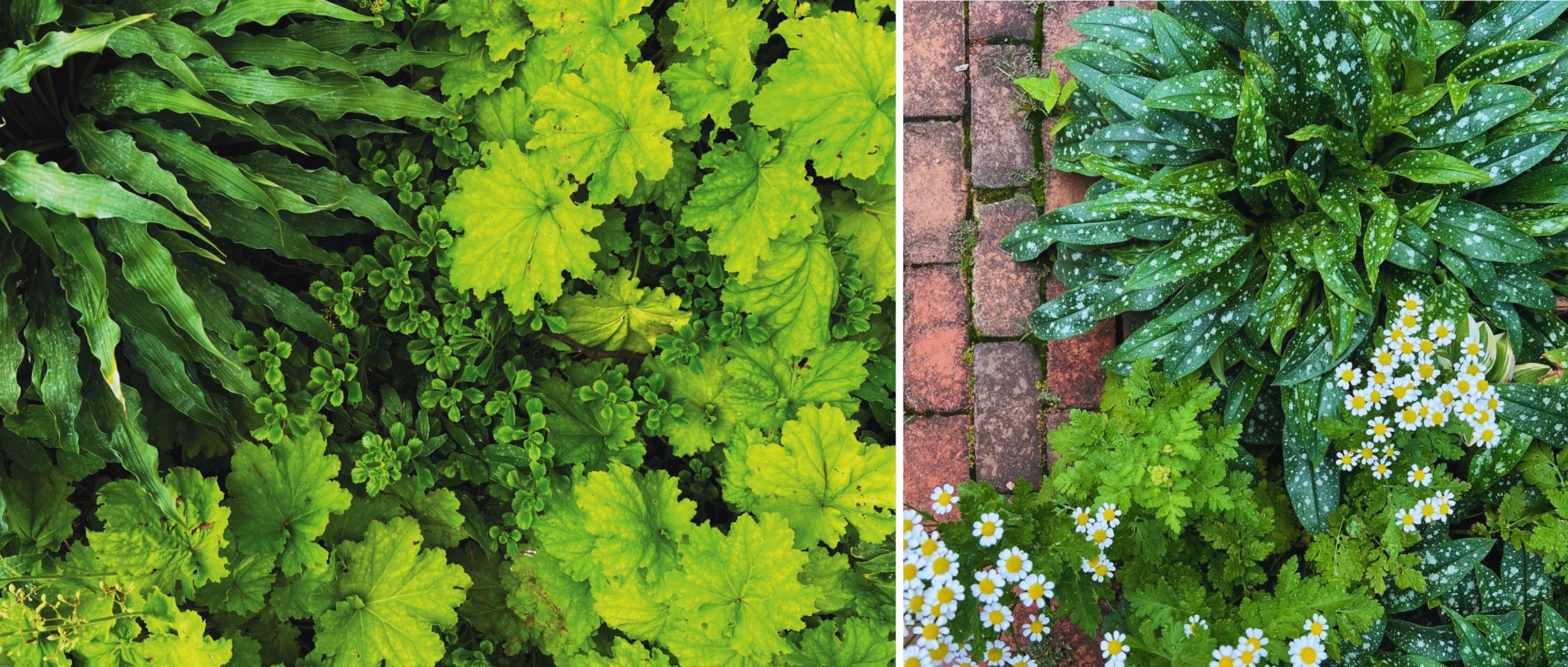
Texture is the visual appearance of a plant’s foliage, especially its leaf size, shape, and density. It sits in the middle: more changeable than form, but much more present throughout the season than color.
A planting with contrasting textures (large leaves against small, narrow leaves against round ones, dense plants against open, airy ones) has built‑in interest, even if everything is mostly green. Too much of the same texture, and the composition can start to feel flat or dull. Here is a past newsletter on texture that describes this a bit more. |
| | | |
| | | |
|