|
| |
| |
| | | |
| | |
Hello Lisa.
A few weeks ago I asked what's feeling hardest in your design work right now, and one thread kept showing up in different forms: how do I make something ecological and layered without it reading as neglect…and how do I get a client, or a neighbor, or a passerby, to trust that it's on purpose?
⚘
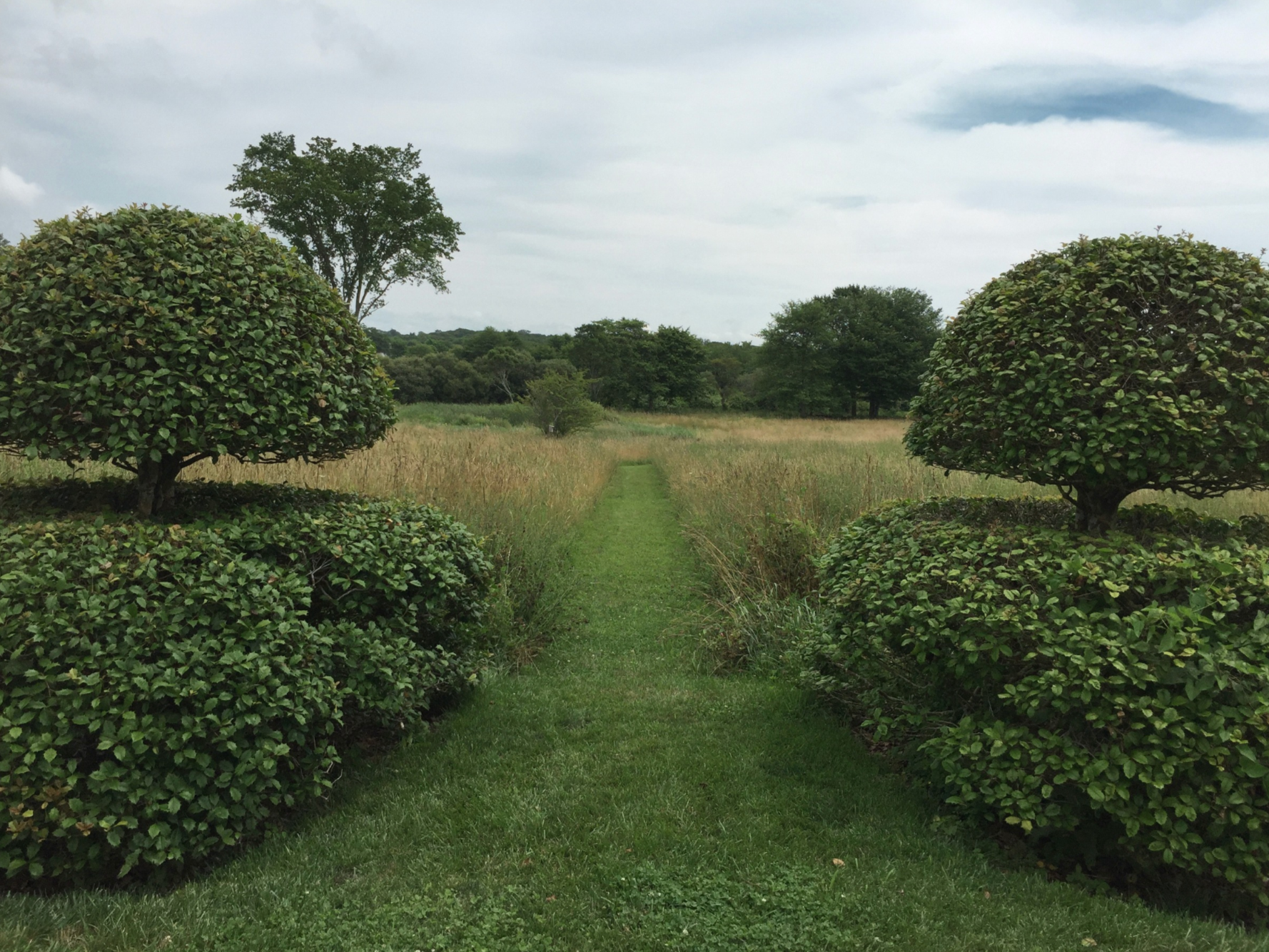
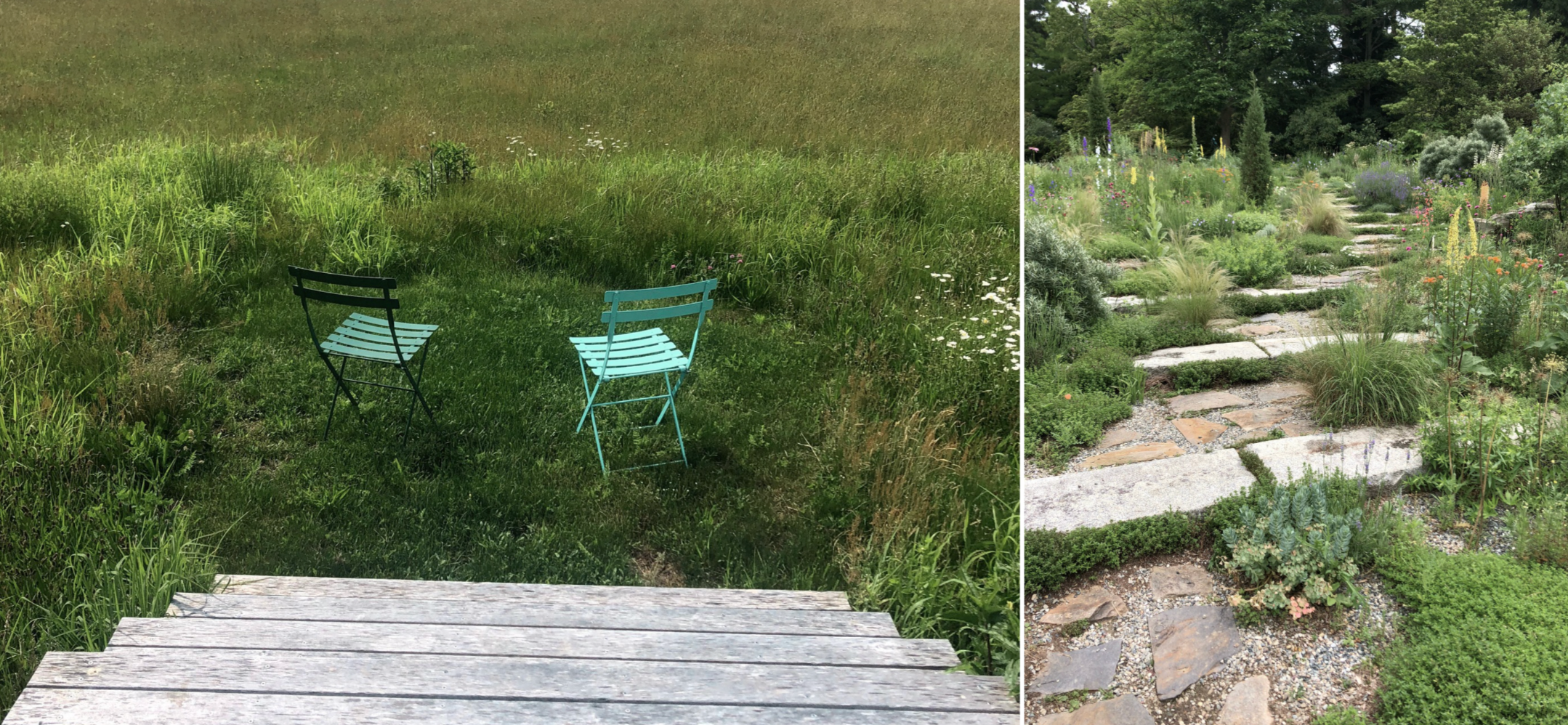
In my own garden, I have a trimmed boxwood hedge that backs up a wild planting. It's not there because I don't trust the wildness. It's there because it gives the eye a place to rest...and it tells anyone walking by that someone, in fact, is taking care of this.
That's the whole trick, really.
.....
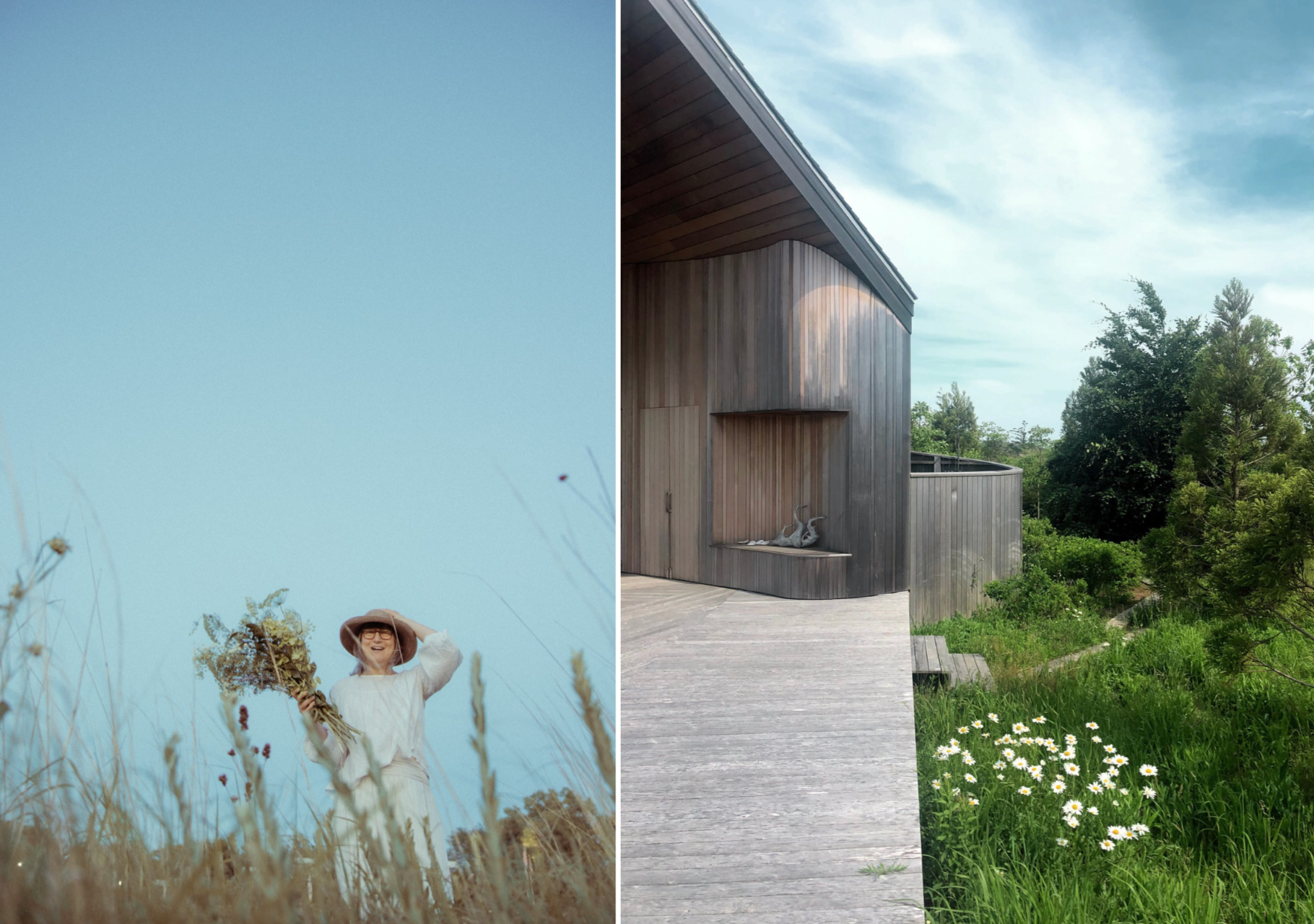
The garden top right is on Martha's Vineyard and the one below is in Rhode Island. |
| | | |
| | | |
| | | |
| | |
| Trusting the Wild Look
I think about this a lot. Most of us didn't grow up trusting a "wild" look. The dominant culture in North America reads a neat, orderly landscape as a sign of pride and effort. So when we design something ecological…a native meadow, a designed plant community, something layered and full of life…it can read to the average client, neighbor, or passerby as neglect. A weedy mess. Even when it's doing exactly what it's supposed to do.
⚘
You might be thinking, why do I care what others think? Fair question. But if you're asking a client to install something like this in their front yard, their comfort matters. Garden researcher Joan Nassauer has a phrase for this…she calls it cues to care. Small, visible signs that tell people a landscape is intentional, not neglected. She wrote a whole paper on it, called Messy Ecosystems, Orderly Frames. The wildness can stay wild. You just need to give it a frame that says: “on purpose”.
.....
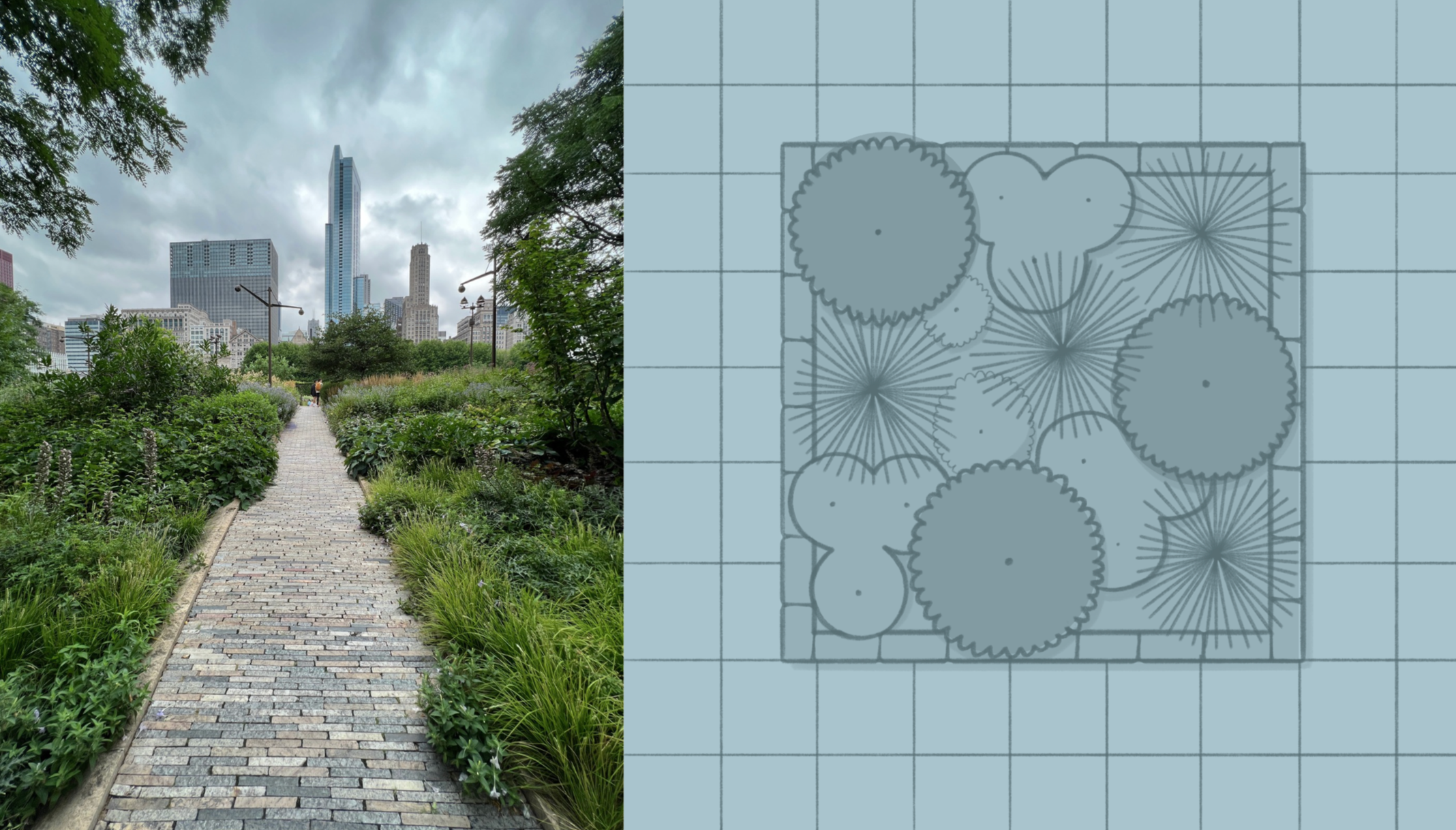
The image below left is the Lurie Garden designed by Piet Oudolf in Millennium Park, Chicago, Illinois. |
| | | |
| | | |
| | | |
| | |
| A few ways to build that frame into your own designs:
- A crisp, defined edge along a bed…even a small one signals intention instantly.
- A mown path through a meadow, or even just a modest patch of lawn in a visible spot.
- A tidy hedge, fence, or arbor as a backdrop or boundary.
- A dominant, focused plant palette (or even a focused color) rather than trying to include everything.
- Strong, consistent lines in your paths, your bed edges, your materials…running throughout the whole design.
None of this waters down the ecology. It just gives your client (and yourself) permission to trust the overall planting.
⚘
If you want to keep exploring this, I dug deeper in this recent blog post: Tidy Edges + Messy Middles.
.....
The garden below left is on Martha's Vineyard and the one below right is Chanticleer Garden in Wayne, Pennsylvania. |
| | | |
| | | |
| | | |
| | |
| As garden designer Helen Dillon put it: "If you keep the edges tidy, nobody minds the messy middle."
⚘
If you know someone who needs a little design inspiration, feel free to share this newsletter…anyone can subscribe right here. I also keep a VAULT of past issues tucked away if you ever want to go digging through old ones. ♥︎
⚘
May your edges stay tidy and your middles stay wonderfully wild.
From the studio + garden,
Lisa
⚘
P.S. If you want to practice designing those crisp, intentional edges for yourself, check out our Garden Design Sketch Sheets…I've already drawn the frame, so you can focus on filling it in.
⚘
PAPER GARDEN WORKSHOP |
| | | |
| | | |
|