Tidy Edges + Messy Middles
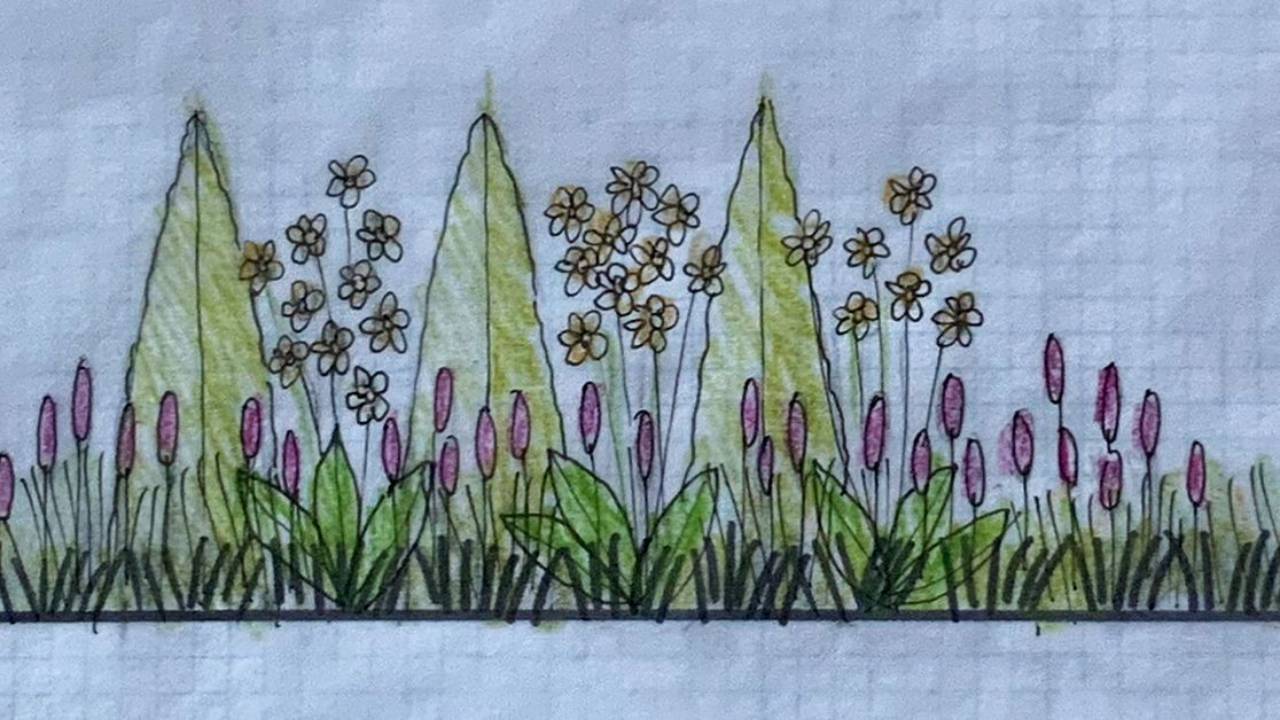
There's a quote by Helen Dillon that I keep coming back to: "If you keep the edges tidy, nobody minds the messy middle."
It feels almost too simple. But the more I work with ecological plantings...the wilder, more naturalistic designs that are so good for the environment...the more I believe it's one of the most useful ideas in landscape design.
It has a name: legibility.
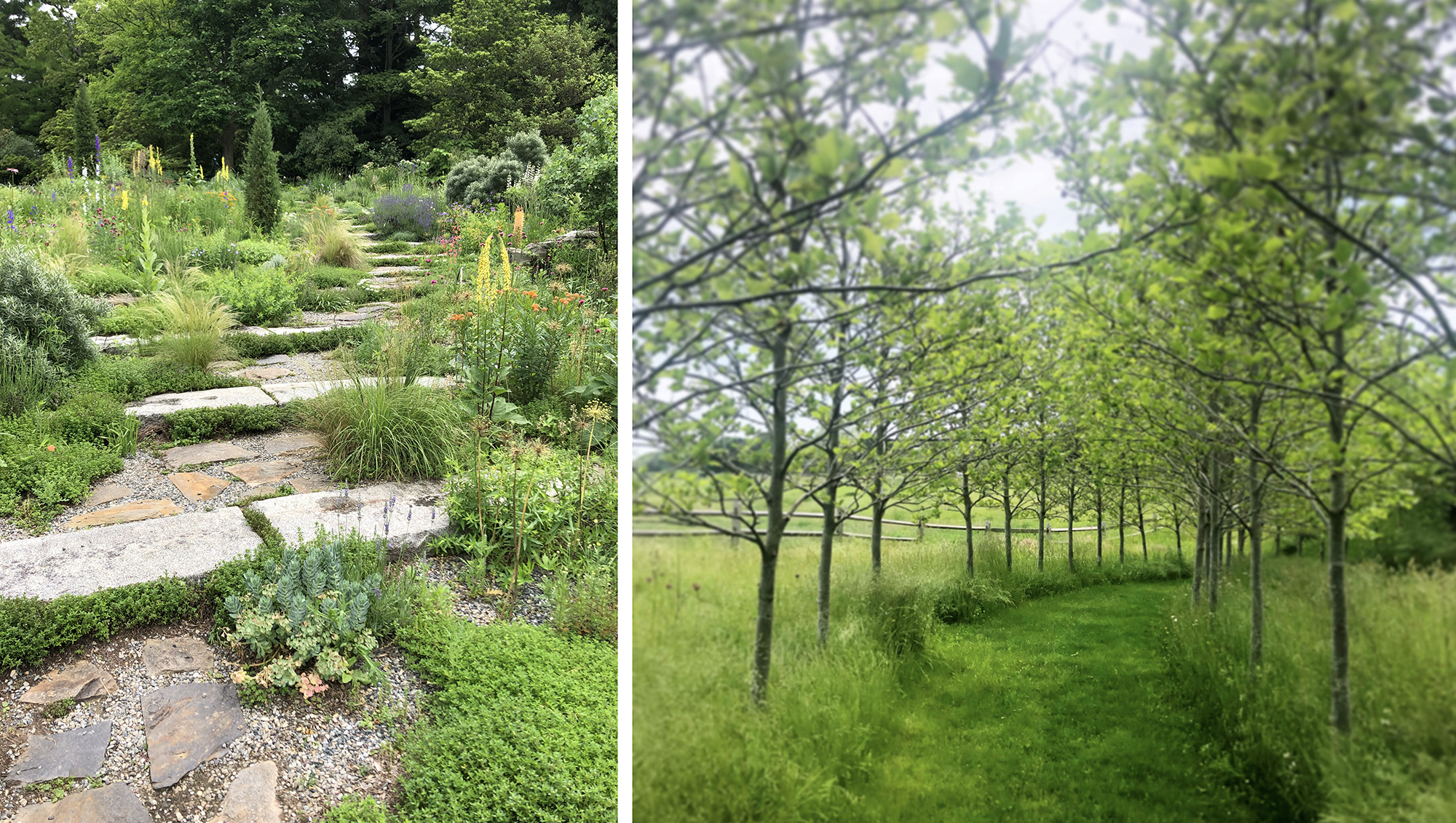
Photo: Image top left is Chanticleer Gardens in Pennsylvania, while the image on the right is on Martha's Vineyard in Massachusetts.
WHAT LEGIBILITY MEANS IN THE GARDEN
A legible landscape is coherent, understandable, organized. It refers to the ease with which someone can make sense of a space...the spatial layout, the plant choices, the bones of the design.
When we follow our design principles, define garden room edges, think carefully about materials and colors, and connect our designs to their surroundings through lines of force…we're already well on our way to a legible landscape.
But the concept becomes especially powerful when we pair it with ecological plantings.
Here's the challenge: native plantings and designed plant communities can feel unfamiliar (and a bit wild) to the general public. Joan Nassauer, a landscape architect and researcher, observed that "the dominant culture in much of North America reads a neat, orderly landscape as a sign of neighborliness, hardwork and pride." When people encounter a wild planting, even one that's beautifully intentional, they may only see a weedy mess.
You might wonder…why does it matter what the neighbors think? If it's your own backyard, it doesn't have to. But if you're designing for a client, or encouraging someone to install a native plant community in a visible front yard, legibility can make the difference between a planting that gets embraced and one that gets chellenged.
That's a meaningful thing to hold onto.
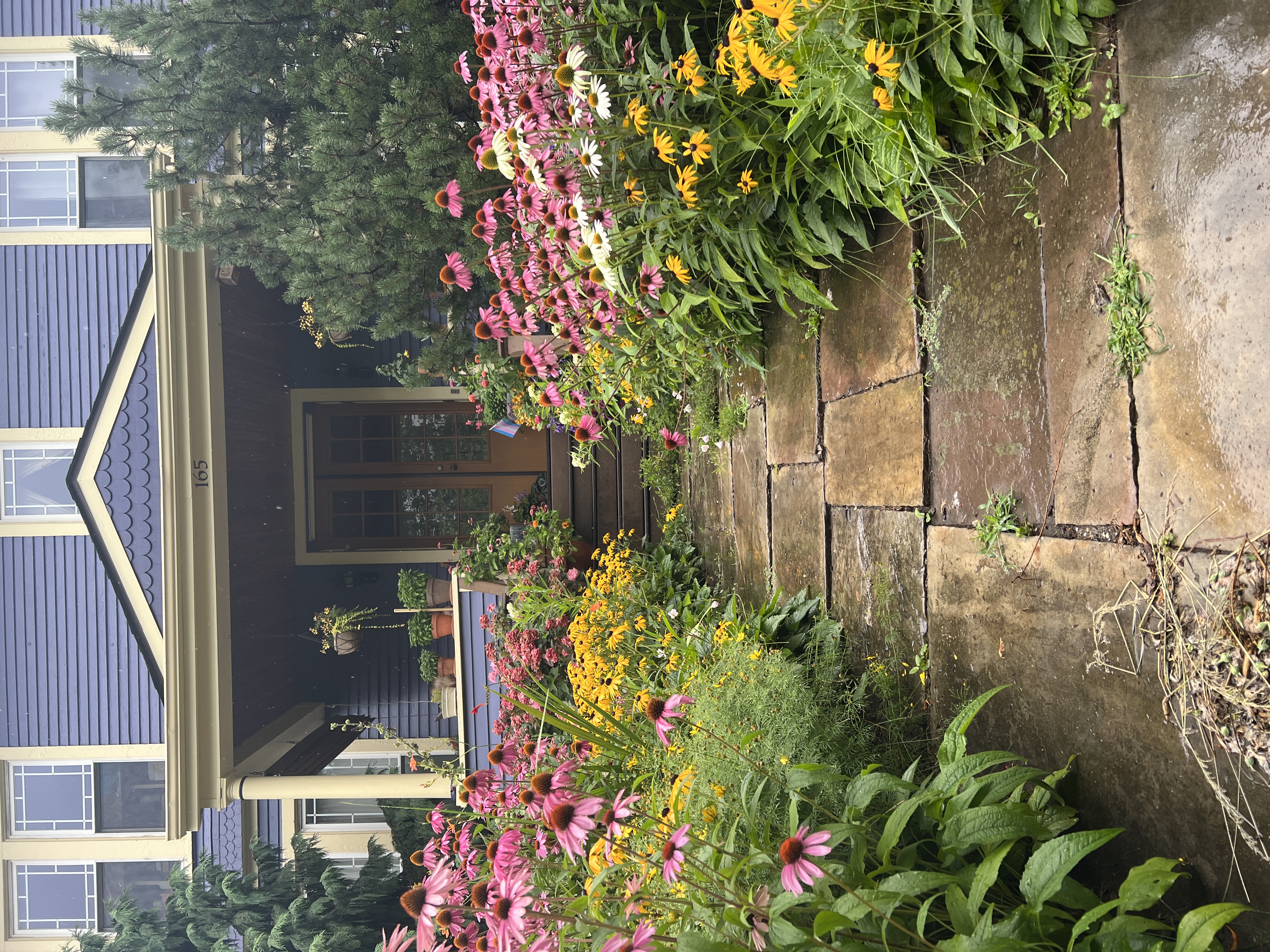
Photo above: A garden in Buffalo, New York.
MESSY ECOSYSTEMS, ORDERLY FRAMES
In 1995, Nassauer wrote a paper called "Messy Ecosystems, Orderly Frames"...and it's still one of the most useful pieces of thinking I've encountered on this topic.
Her idea is this: since we already have cultural values around neatness and order, we can apply those values to ecological plantings to make them feel recognizable. Accepted. Even loved.
She describes it as placing unfamiliar forms inside familiar, attractive packages. Designing orderly frames for messy ecosystems.
Felix de Rosen puts it another way. He writes that edges are powerful tools...they define space, give us a sense of order and narrative. Without an edge, a wild garden looks less cared for. With one, people feel connected to the garden and to the person who helped make it.
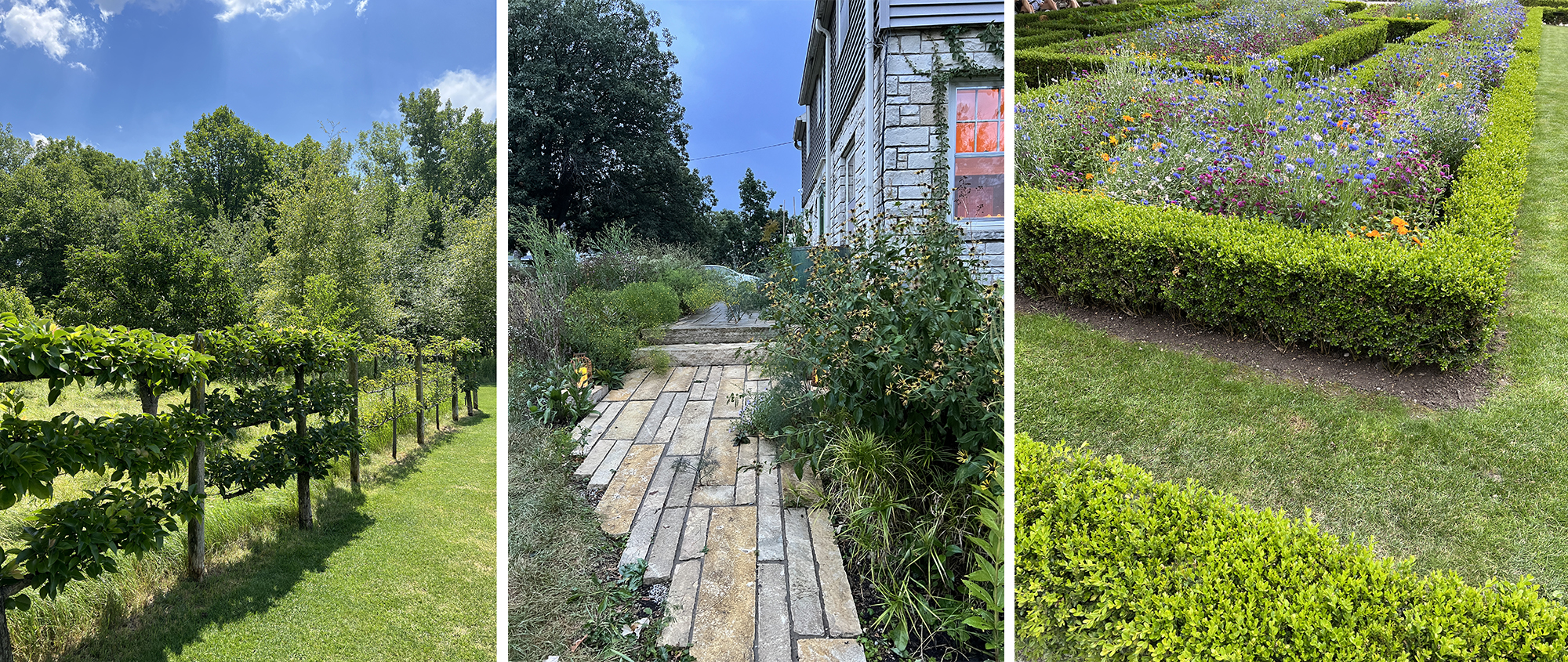
Photos above from left to right: A garden by Mariani Landscape Design in Lake bluff, Illinois, the private garden of Kelly Norris and David McKinney in Des Moines, Iowa and another garden in the Chicagoland area.
CUES FOR CARE
Nassauer also coined a term I love: cues for care.
When landscape elements look recognizably designed — intentional, tended — they signal that someone is paying attention. That the wildness is on purpose. That it's beautiful, not forgotten.
These cues can be subtle. A mown path through a meadow. A trimmed boxwood hedge backing up a wild planting (this is exactly what I have in my own garden). A stone wall with clear, clean lines. A container on the steps.
Each of these signals: I was here. I care about this place.
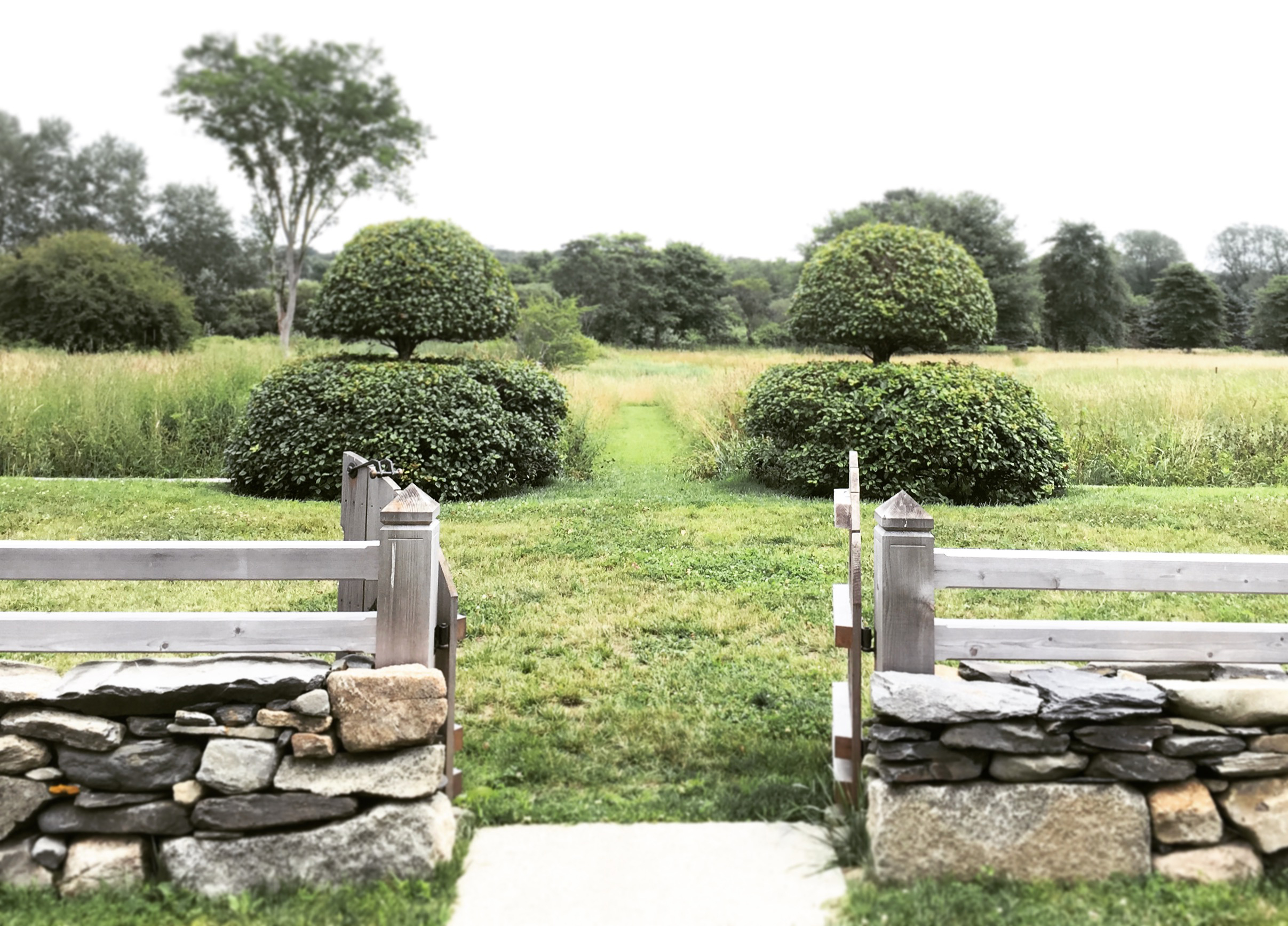
Photo above: A garden in Rhode Island.
WAYS TO BRING LEGIBILITY INTO YOUR DESIGNS
This is the part I find most fun to think through...the practical tools. There are so many entry points.
Mowing is one of the most underrated. Even a small mown patch in a prominent spot, or a path cut through a meadow, communicates care. It's simple and impactful.
Flowering plants and trees help too. People respond to larger, brighter blooms and tend to appreciate trees more than shrubs and grasses, so a well-placed flowering tree can do a lot of social work in an ecological planting.
Wildlife feeders and houses are wonderful cues. They tell a story: this place is for the birds. People love that.
Recognizable patterns matter. Whether that's repeating squares or circles for your garden spaces, the repetition of plant drifts, using a consistent design style, or using the same colors over and over. Patterns feel intentional.
Trimmed shrubs and linear planting designs add structure. A clipped hedge or simple row of plants as a backdrop gives the eye somewhere to rest, and makes the wild in front of it look more deliberate.
Fences, architectural details, ornaments, paint...all of these ground a design and provide that human touch.
Form, texture, and color...when incorporated thoughtfully into a wild planting, provide a familiar aesthetic. A focused plant palette with a dominant color palette, strong plant forms and contrasting leaf textures can add so much legibility.
Strong lines and geometry might be the most direct tool of all. Clear bed edges, a defined hardscape, a well-laid path...these punctuate the wildness and make it sing.
And finally: consistent design language throughout the landscape, in materials, colors, and styles, creates visual harmony. Cohesiveness reads as intentional. And intentional reads as cared for.
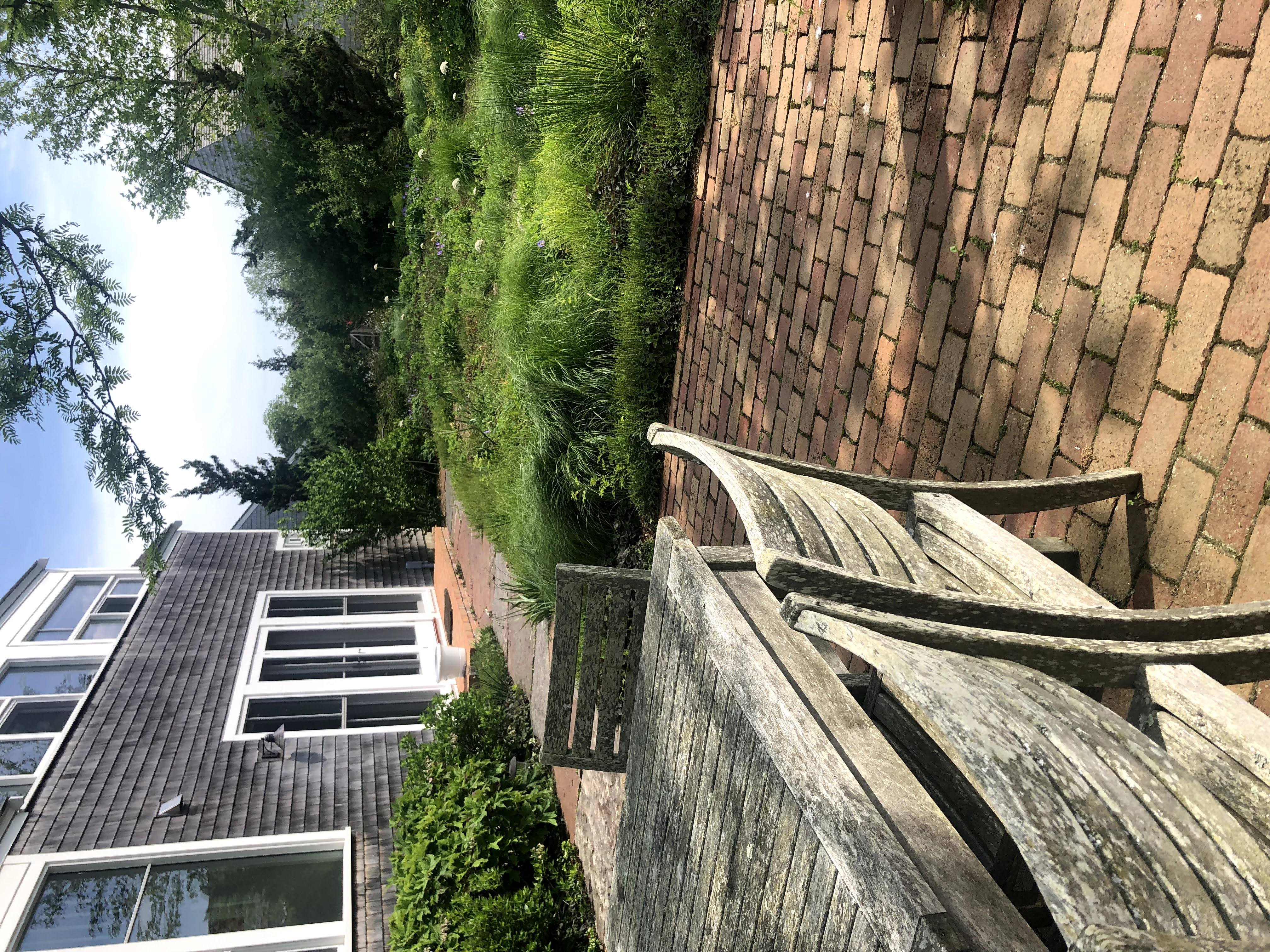
Photo above: A garden Martha's Vineyard.
THE BIGGER PICTURE
Legibility is a way of making ecological design accessible...not just to clients, but to neighbors, passersby, and the broader community. It lets us say: this planting is wild on purpose. It's doing something for the pollinators, the birds, the soil. And it's beautiful.
That's a conversation worth having.
When you can combine the clarity of legibility with the richness of an ecological planting, you end up with something that works on every level...beautiful to live in, meaningful for the environment, and easy for people to understand and embrace.
Keep the edges tidy. Let the middle be wild.
MORE RESOURCES:
Learn more about ecological plantings via Wild Books
We've covered the topic of Legibility (and applied it) in our membership, The Garden Design Collective.
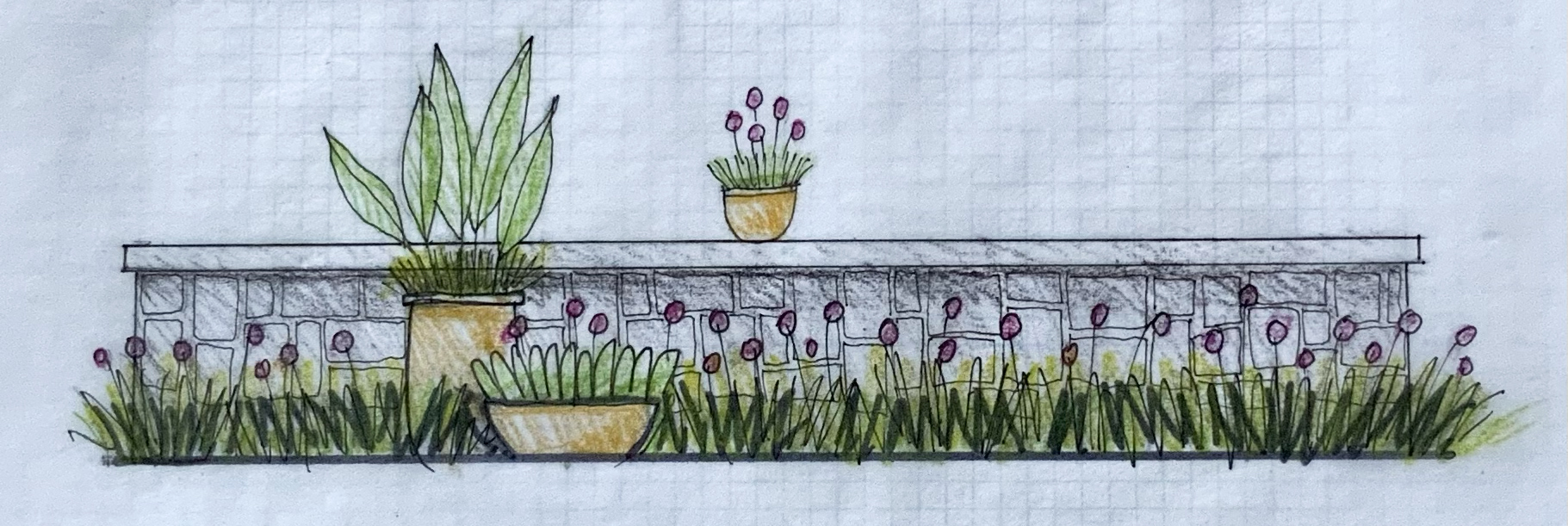
If you want to practice designing those crisp, intentional edges for yourself, try our Garden Design Sketch Sheets. I've already drawn the frame, so you can focus on filling it in.